
Thinking about moving to the great state of Ohio? Luckily, the Buckeye State is full of fantastic cities offering exciting attractions and a high quality of life. The largest cities in Ohio offer a great mix of urban amenities and suburban ambiance, with a low cost of living compared to cities of the same size in other states.
However, if you’re new to Ohio and not familiar with the local culture and major attractions, finding the right home may be a bit overwhelming. To help you find the ideal community, here is a list of the largest cities in Ohio by population.
Table of Contents
Ohio Demographics | Facts About the Largest Cities in Ohio
Before examining the largest cities in Ohio, it may be helpful to review some statistics about the state itself. Ohio is the 34th-largest state by area and the seventh-most populous state. The six largest cities in Ohio have populations over 100,000, and the top 10 largest cities in Ohio all have populations over 50,000. Here are a few additional key statistics about Ohio, based on population data from the United States Census Bureau.
- Population: 11,785,935
- Median age: 39.9 years old
- Median household income: $67,769
- Median price of housing: $279,000
- Area of Ohio: 40,858.8
- Density: 288.5 people per square mile
- Ohio crime rate: 2,076 crimes per 100,000 people
Top 10 Largest Cities in Ohio by Population | Ohio Population By City
Ohio is home to multiple major cities with more than 50,000 people. Here is a look at the population of the largest cities in Ohio and what makes them unique.
1. Columbus
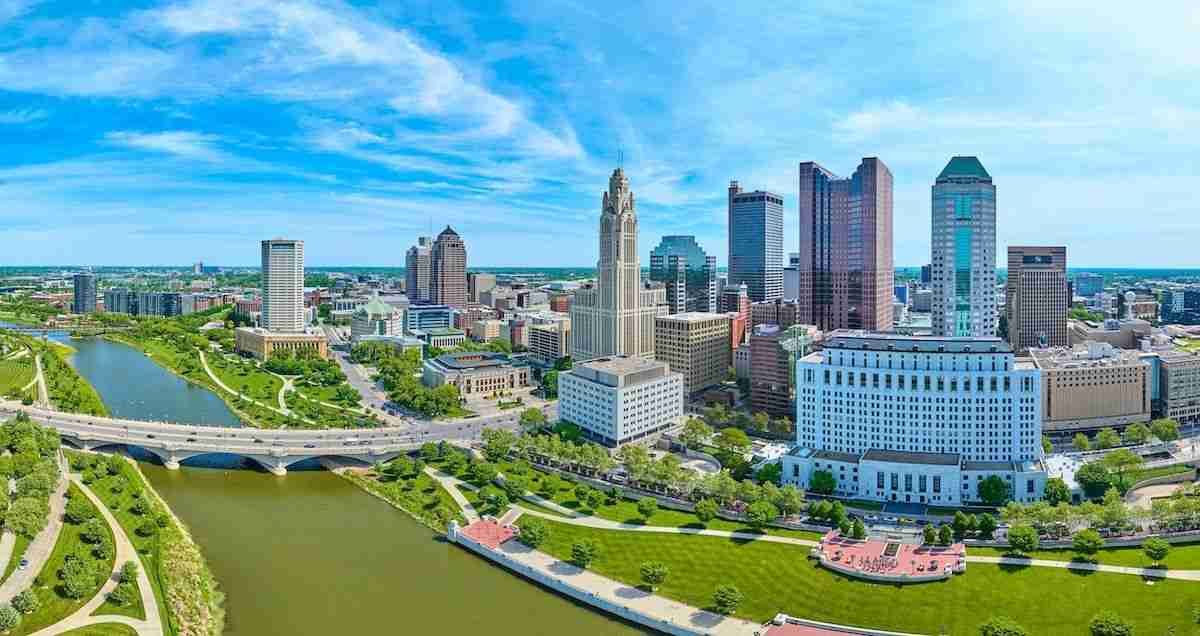
With a population of just over 900,000, Columbus is the largest city in Ohio. Not only is it the most populous city in the state, but it’s also the largest of all the cities in Ohio by area. It has experienced a population growth of more than 1% each year, making it one of the fastest growing cities in the Midwest.
Named after Christopher Columbus, the city is recognized for being the state capital and for housing the Ohio State University campus. It boasts a vibrant cultural scene, featuring a popular zoo, diverse neighborhoods, and world-class museums such as the Columbus Museum of Art and the National Veterans Memorial and Museum. The Columbus City Council is the main governing body in the city.
As one of the largest cities in Ohio, it has a very diverse economy, supported by industries such as healthcare, insurance, and technology. It also has the highest concentration of professionals working in the fashion and apparel industry in the US, and it’s home to the Easton Town Center, a shopping center that has been named the #1 retail experience in America by Chain Store Age for three consecutive years.
From the bustling High on Five Area to the vibrant German Village to the hip Short North Arts District, you’ll find plenty of fantastic neighborhoods to explore in the Columbus metropolitan area if you’re planning on moving to the largest city in Ohio.
- Columbus population: 909,074
- Columbus area: 220.7 square miles
- Columbus median age: 33.4 years old
- Columbus median household income: $62,350
- Columbus median house price: $280,000
- Columbus crime rate: 3,934 crimes per 100,000 people
- Columbus Map
2. Cleveland
Cleveland is the second most populous city in Ohio, with a population of over 360,000 residents. Home to the Rock n Roll Hall of Fame, Cleveland is known for its unique attractions, extensive network of parks, and scenic views of Lake Erie. It’s also home to several professional sports teams, including the Cleveland Browns in the NFL, the Cleveland Cavaliers in the NBA, and the Cleveland Guardians in the MLB. It’s located in a very central area of Cuyahoga County, Northeastern Ohio, across Lake Erie from the Canadian border and 60 miles west of Ohio. It also has a great arts scene centered around the Cleveland Museum of Art.
It has a very low cost of living for one of the largest cities in Ohio, with a median home price of $135,000. Payscale suggests that the average cost of living in Cleveland is approximately 8% lower than the national average.
The city offers a great blend of historic charm and modern amenities with plenty of outdoor recreation at sites like the Cuyahoga Valley National Park. It also features many diverse neighborhoods, such as Ohio City, Tremont, and Shaker Square. If you’re planning a relocation to the second-largest city in Ohio, you’ll find plenty of exciting things to explore.
- Cleveland population: 362,670
- Cleveland area: 77.7 square miles
- Cleveland median age: 36.3 years old
- Cleveland median household income: $62,350
- Cleveland median house price: $135,000
- Cleveland crime rate: 5,931 crimes per 100,000 people
- Cleveland map
3. Cincinnati
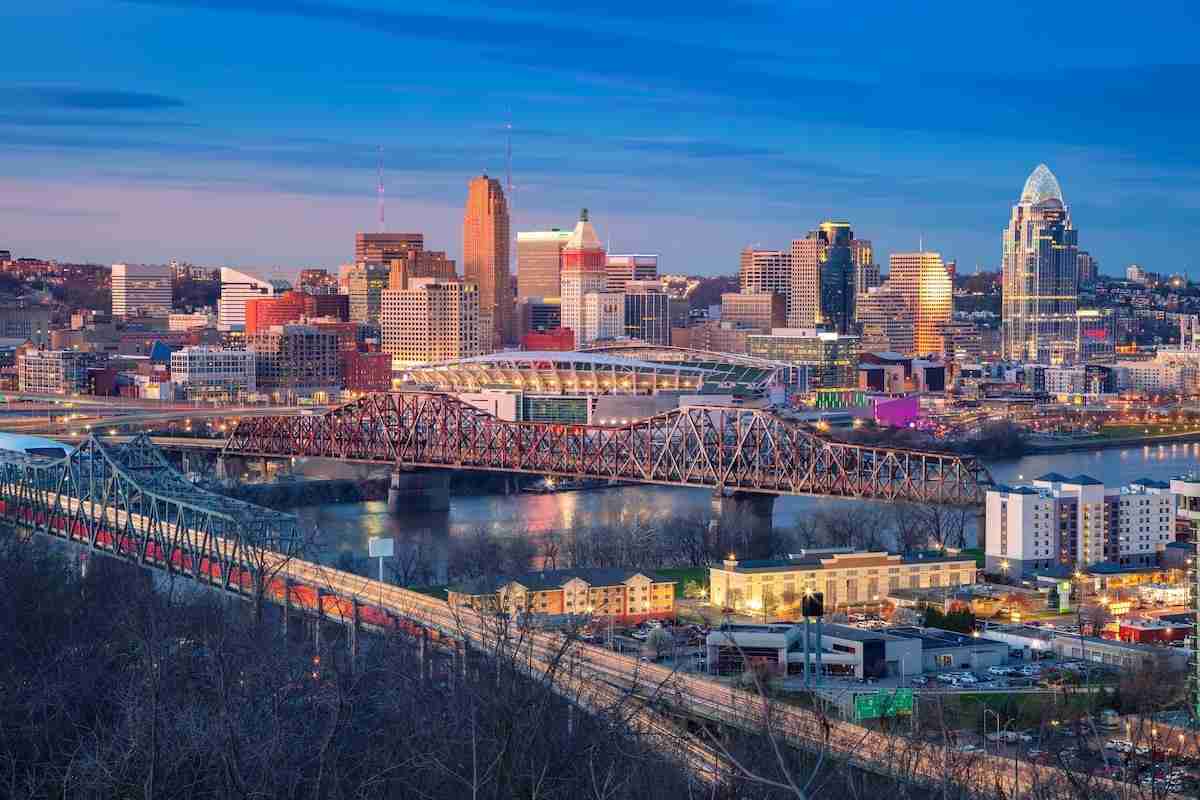
Cincinnati ranks as the third-largest city in Ohio with a population of just over 300,000 people. Cincinnati is known for its German heritage and unique variety of chili. It’s the birthplace of the first professional baseball team, the Cincinnati Reds. The city is situated on the Ohio River, near the border between Kentucky and Indiana.
In addition to being one of the largest cities in Ohio, Cincinnati is renowned for its beautiful architecture and is home to the largest district of intact Italianate buildings in the world, located in the Over-The-Rhine neighborhood.
Its annual Oktoberfest Zinzinnati is the largest Oktoberfest in the United States and the second largest in the world. It’s also notable for its thriving arts scene centered around the Cincinnati Art Museum, Music Hall, and Artworks Cincinnati (an organization responsible for hosting public murals throughout the city).
- Cincinnati population: 311,112
- Cincinnati area: 77.9 square miles
- Cincinnati median age: 34.1 years old
- Cincinnati median household income: $54,314
- Cincinnati median house price: $275,000
- Cincinnati crime rate: 4,593 crimes per 100,000 people
- Cincinnati map
4. Toledo
Toledo is also one of the largest cities in Ohio, with a population exceeding 265,000 residents. Toledo is known as the Glass City due to its significant contribution to the glass industry.
Factories in the city have been responsible for producing everything from windows and wine bottles to materials used in the Apollo 11 Rocket. It’s in a very central location in northwestern Ohio at the western edge of Lake Erie along the Maumee River. In addition to being one of the largest cities in Ohio, it’s a major trade center with the 5th busiest port on the Great Lakes, making it one of the most important cities in Ohio for trade.
It’s also famous for its friendly residents, Midwestern charm, and low cost of living, with a median home price of $136,500. Its extensive MetroPark System features over 12,000 acres of protected land with 200 miles of trails across 19 different parks. Aside from being one of the largest cities in Ohio, Toledo offers a lot to growing families and outdoor enthusiasts seeking an affordable city with a high quality of life.
- Toledo population: 265,306
- Toledo area: 80.5 square miles
- Toledo median age: 35.5 years old
- Toledo median household income: $46,302
- Toledo median house price: $136,500
- Toledo crime rate: 4,244 crimes per 100,000 people
- Toledo map
5. Akron
Akron is also among the largest cities in Ohio. Due to its historic rubber production, Akron is known as “the Rubber Capital of the World” and was once home to large tire companies like Goodyear, Firestone, and General Tire. It’s long been characterized as a hub for innovation, as the place where the first K-12 school system was developed, and the home to the inventors of the ice cream cone.
Basketball star LeBron James was born in Akron and lived there throughout his childhood until he was drafted into the NBA. It’s a peaceful and affordable place to raise a family, with a median home price of $128,000. Despite being one of the largest cities in Ohio, it offers a nice blend of suburban ambiance and urban conveniences with access to outdoor recreation at the Cuyahoga Valley National Park or through the Summit Metro Parks System.
It also boasts a vibrant art scene, featuring numerous music venues, cultural events, and the historic Akron Civic Theater. If you’re looking for a thriving community that also happens to be one of the largest cities in Ohio, Akron is a great choice.
- Akron population: 188,692
- Akron area: 61.9 square miles
- Akron median age: 37.1 years old
- Akron median household income: $50,025
- Akron median house price: $128000
- Akron crime rate: 4,250 crimes per 100,000 people
- Akron map
6. Dayton
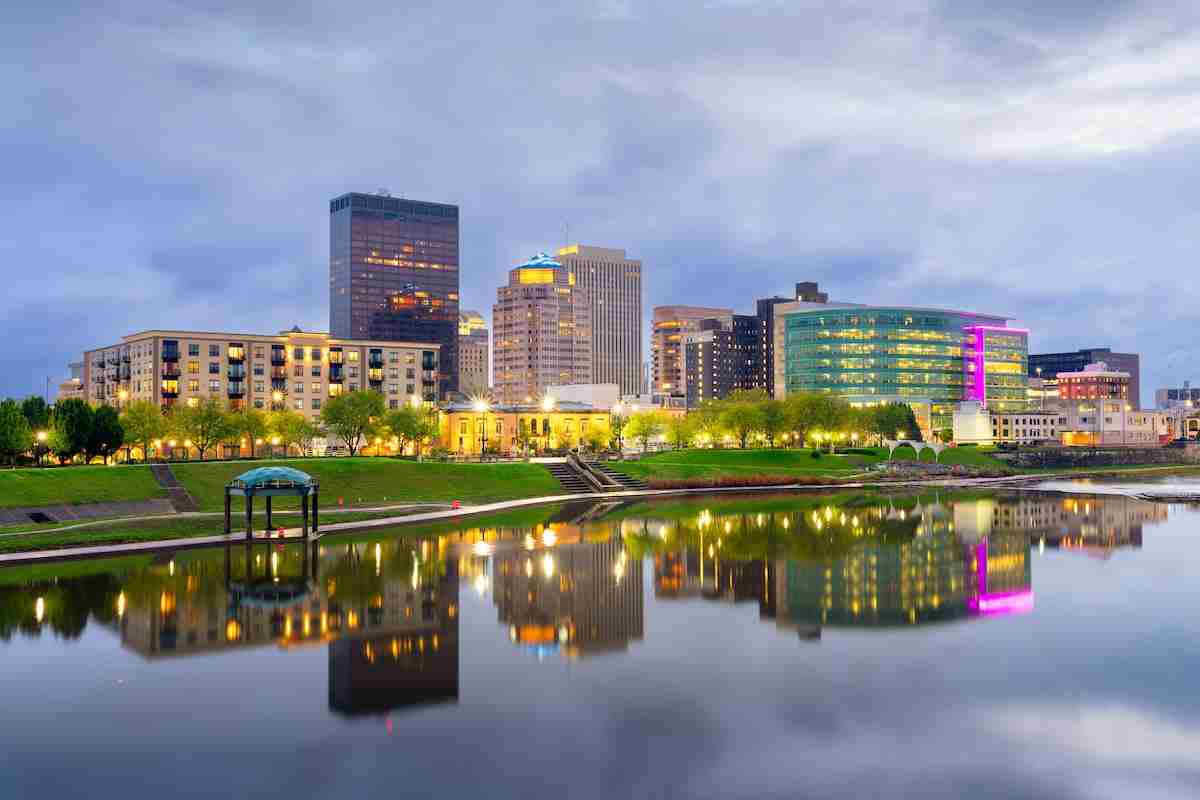
Dayton is also among the largest Ohio cities by population, with a population of 135,507 residents. Dayton is known as the birthplace of Aviation, as it was home to Orville and Wilbur Wright, the inventors of the airplane.
It has long been recognized for its rich history of innovation and was once called the “patent capital” due to its home to a variety of inventions, such as the pop-top can. As one of the largest cities in Ohio, the city’s economy remains strong, supported by sectors such as STEM and aviation. Dayton is home to notable attractions such as the National Museum of the US Air Force, the world’s oldest and largest military aviation museum.
It also features a thriving art and culture scene centered around the Dayton Institute of Art and the Oregon District, a historic district renowned for its galleries and shops. If you’re looking for one of the main cities in Ohio that offers innovation and culture, Dayton is a great place to be.
- Dayton population: 135,507
- Dayton area: 55.8 square miles
- Dayton median age: 33.6 years old
- Dayton median household income: $45,995
- Dayton median house price: $150,000
- Dayton crime rate: 5,457 crimes per 100,000 people
- Dayton map
7. Lorain
Loraine is next on the list of the largest cities in Ohio with a population of 65,330 residents. Loraine is primarily known for its rich industrial history as a major shipping center and manufacturing hub for steel, auto assembly, and shipbuilding. Situated on the banks of Lake Erie, the city is also renowned for its waterfront attractions and recreational activities, including the Lorain Lighthouse and Lakeview Park.
As a lakefront city, it’s also a major shipping center for materials like coal, iron, and limestone. Like many of the largest cities in Ohio, Lorraine features a very affordable cost of living with a median home price of $155,950 and an average rent of $924. It does feature high rates of crime and poverty compared to the national average, but for the biggest cities in Ohio with affordable lakefront real estate, you should check out Loraine.
- Lorain population: 65,330
- Lorain area: 23.6 square miles
- Lorain median age: 42.4 years old
- Lorain median household income: $41,480
- Lorain median house price: $155,950
- Lorain crime rate: 2,287 crimes per 100,000 people
- Lorain map
8. Youngtown
Youngstown is also regarded as one of the largest cities in Ohio. The city’s population is just under 60,000 residents. Youngstown is renowned for its thriving steel industry throughout the 19th and 20th centuries. The decline of the industry beginning in the 70’s brought a period of decline to the area, but it’s since reemerged with a more diversified economy.
Youngstown is also recognized for its cultural attractions, like the Butler Institute of Art and Mill Creek Park. It has a very low cost of living, even compared to the other largest cities in Ohio, and the median home price is only $87,000.
It’s also notable for its natural beauty and abundance of recreational opportunities. Although it still faces some economic challenges, Youngstown is a very affordable option for those seeking the largest city in Ohio.
- Youngstown population: 59,605
- Youngstown area: 33.9 square miles
- Youngstown median age: 37.8 years old
- Youngstown median household income: $34,746
- Youngstown median house price: $87,000
- Youngstown crime rate: 3,557 crimes per 100,000 people
- Youngstown map
9. Elyria
Elyria is also among the largest cities in Ohio, with a population of just over 52,000. It sits at the confluence of the Black River in Northeast Ohio, within the Cleveland metropolitan area. Founded by industrialist Herman Ely, Elyria is known for its robust mills and manufacturing businesses like the Elyria Candy Company and ITS Rubber Company. It’s also notable for its natural beauty, featuring outdoor attractions such as Cascade Park and Black River Park. It features a suburban atmosphere and a tight-knit community, making it popular among working families and those seeking one of the largest cities in Ohio with an affordable cost of living, with easy access to Cleveland.
- Elyria population: 52,833
- Elyria area: 20.5 square miles
- Elyria median age: 39.6 years old
- Elyria median household income: $53,204
- Elyria median house price: $195,000
- Elyria crime rate: 2,102 crimes per 100,000 people
- Elyria map
10. Cuyahoga Falls
Located just north of Akron, Cuyahoga Falls is the 2nd largest city in Summit County and the 10th largest city in Ohio, with a population of just over 50,000. While not one of the wealthiest cities in Ohio, it boasts the highest median household income among the 10 most populous. Cuyahoga Falls is mostly known for being a pleasant, middle-class suburb of Akron.
It’s notable for its outdoor attractions like Gorge Metro Park and the Blossom Music Center. It also offers a balance of affordability and low crime compared to the national average and the rest of Ohio. Anyone searching for the largest city in Ohio with a family-friendly atmosphere should check out Cuyahoga Falls.
- Cuyahoga Falls population: 50,864
- Cuyahoga Falls area: 25.8 square miles
- Cuyahoga Falls median age: 38 years old
- Cuyahoga Falls median household income: $70,645
- Cuyahoga Falls median house price: $216,000
- Cuyahoga Falls crime rate: 1,958 crimes per 100,000 people
- Cuyahoga Falls Map
Largest Cities in Ohio FAQ
How Many Cities Are There in Ohio?
There are 247 cities and 684 villages in Ohio, totaling 931 municipalities. The state government defines a city as a municipality with more than 5,000 residents and a village as anything less than that. The largest cities in Ohio all have populations over 50,000.
What Is the Largest City in Ohio by Population?
Columbus is the largest populated city in Ohio with 909,074 residents. Its population is more than double that of Cleveland, the second largest city in Ohio, which has a population of 362,670.
How Many People Live in Ohio?
11,785,935 people live in the state of Ohio, making it the 7th most populous state in the US and the 10th most densely populated.
What Is the Fastest Growing City in Ohio?
Columbus is the fastest-growing city in Ohio, with a growth rate of about 1.4% per year. Its higher-than-normal growth rate is influenced by a range of factors such as immigration and the arrival of a new Intel Chip factory. Other rapidly growing major cities in Ohio include Hilliard, Dublin, Pickerington, Marysville, and Dublin.
Largest Cities in Ohio Map
Which of the Largest Cities in Ohio Is Right for You?
Now that you have a solid understanding of the largest cities in Ohio, you’re ready to decide which one is right for you. When you’re ready to make the transition, you can trust the dependable Columbus movers at Krupp Moving and Storage to make your moving day easy and efficient. Call (614) 892-9046 today for a free quote.