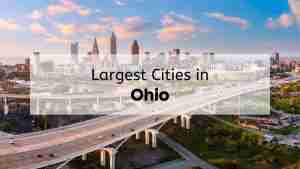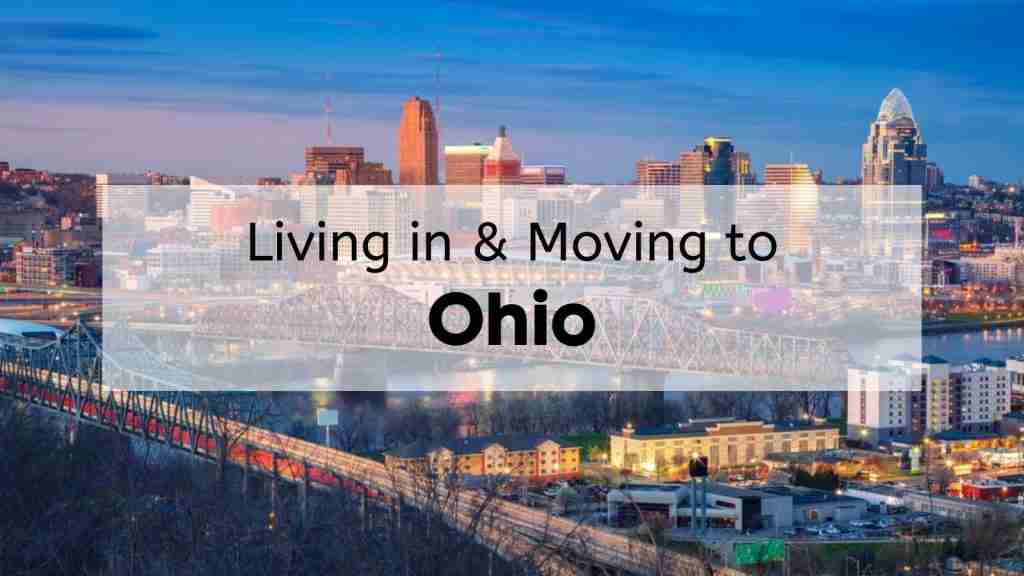

Are you thinking about moving to Ohio? Whether you want to live in a big city, small town, or anywhere in between, Ohio has a place for you. Ohio has you covered when it comes to exciting entertainment and recreational opportunities, and the cost of living in Ohio is low, which means you can enjoy more of it.
Ohio offers residents a world-class education, an affordable housing market, big-city living, and rural areas full of natural wonders. The State’s natural beauty truly speaks for itself. Ohio has a centralized location, easy access to major transportation routes, and is a hub for business and commerce. World-famous companies are headquartered there, and employment opportunities are excellent. From big cities like Columbus, Cleveland, and Cincinnati to charming small towns, finding a place for you is easy in Ohio.
Table of Contents
What Is it Like Living in Ohio?

Ohio is the seventh-most populous state, with nearly 11.9 million people. Ohio’s nicknames include the “Buckeye State” after its Ohio buckeye trees and the “Birthplace of Aviation” because the Wright Brothers were from Dayton. Seven U.S. presidents have been born in Ohio, giving it the nickname “the Mother of Presidents”. Then, individual cities have nicknames like “The Rock and Roll Capital of the World,” which is well known by those living in Cleveland.
Ohio was home to the Delaware, Shawnee, Wyandot, Miami, and other Native American tribes when French explorers came in the late 17th century and claimed the region. After the American Revolution, Ohio became part of the Northwest Territory and became the 17th state in 1803. The Ohio and Erie Canal, completed in 1825, connected Lake Erie to the Ohio River, enabling trade and westward expansion. Before moving to Ohio, find out what makes living in Ohio great!
Is Ohio a Good Place to Live?
Yes, living in Ohio is a fantastic choice, with a thriving economy, a low cost of living, professional sports teams, and many top zoos and museums in the country. Ohio has highly-rated schools and universities, including Ohio State University, Case Western Reserve University, and Miami University. Ohio is home to 24 Fortune 500 companies, including Cardinal Health, Progressive, Nationwide Children’s Hospital, Procter & Gamble, and Kroger.
Ohio has many world-class attractions, such as the Rock & Roll Hall of Fame, Cedar Point theme park, the National Museum of the US Air Force, Cleveland Museum of Art, Cincinnati Zoo & Botanical Garden, and Kings Island theme park. A few of Ohio’s incredible parks offering a wealth of outdoor activities and natural beauty include Cuyahoga Valley National Park, Hocking Hills State Park, and Salt Fork State Park. There are so many reasons to love living in Ohio.
What Is Ohio Known for?
Ohio is known for its fertile soil, coal, natural gas, and rock salt called halite, which is mined from beneath Lake Erie. Ohio produces about five million tons of halite a year. There are many other areas of Ohio that are known for things as well. Cedar Point is known as the “Roller Coaster Capital of the World,” for its abundance of roller coasters and other thrill rides.
Hocking Hills has stunning natural beauty, including waterfalls, caves, and hiking trails. The National Museum of the U.S. Air Force is the world’s largest and oldest military aviation museum. Meanwhile, Ohio’s Amish Country offers a glimpse into the traditional lifestyle and culture of the Amish community with their rich history and lack of city life.
What’s the Culture Like in Ohio?
Ohio’s culture uniquely blends Midwestern friendliness, blue-collar work ethic, and diverse influences from its big cities, rural towns, and Appalachian communities. The state values tradition, community, and sports—especially football, with a deep-rooted passion for teams like the Ohio State Buckeyes and the Cleveland Browns.
Cities like Cleveland, Columbus, and Cincinnati offer vibrant arts scenes, with world-class museums, theaters, and music venues, while smaller towns embrace a slower pace, emphasizing family, faith, and local traditions. Ohioans are known for being down-to-earth, welcoming, and proud of their heritage.
The state’s food culture is also noteworthy, with favorites like Cincinnati chili, pierogies, and Buckeye candies reflecting its mix of German, Polish, and Appalachian influences. Festivals celebrating everything from Oktoberfest to local county fairs highlight Ohio’s rich cultural diversity.
Where Is Ohio?

Ohio is located in the Midwest and borders Lake Erie to the north, Pennsylvania to the east, West Virginia to the southeast, Kentucky to the southwest, Indiana to the west, and Michigan to the northwest.
What Are the Regions of Ohio?
Ohio is divided into five geographical regions:
- Northwest Ohio: Flat farmland with gently rolling hills, agricultural land, and home to Toledo along Lake Erie.
- Northeast Ohio: Rolling hills, deciduous forests, industrial hub, and the most populous region in the state. Home to Cleveland and Akron, as well as Lake Erie’s shoreline and world-class attractions.
- Central Ohio: Home to Columbus, the state capital, fertile farmland, and Ohio State University.
- Southwest Ohio: Home to Cincinnati and Dayton. Known for agriculture, timbering, and coal mining.
- Southeast Ohio: Rugged terrain extending into the foothills of the Appalachian region, with hills, forests, and outdoor activities.
Transportation in Ohio
Does Ohio Have a Good Interstate Highway System?
Living in Ohio is easy, thanks to the transportation system. Ohio has 21 Interstate Highways in Ohio, including primary and auxiliary routes. Ohio has 2,185 miles of interstate, the third most in the nation. Interstates I-80, I-90, and I-70 extend east-west through Ohio, and I-39, I-55, and I-57 north-south, forming an expansive interstate highway system in Ohio.
Additional east-west corridors include I-24, I-64, and I-74. An extensive network of thoroughfares consists of 15,969 miles of state highways. Ohio is home to 7 of the 150 nationally designated scenic byways.
Does Ohio Have Good Public Transportation?
Many of Ohio’s cities have bus systems, making living in Ohio easier. The Greater Cleveland Regional Transit Authority (GCRTA), the largest transit agency in Ohio, with a ridership of about 24,875,000 per year, operates one heavy rail line, three light rail lines, and three bus rapid transit lines.
The Southwest Ohio Regional Transit Authority (SORTA) in Cincinnati and the Central Ohio Transit Authority (COTA) serve Columbus-run buses, bus rapid transit, microtransit, and paratransit services. SORTA has a ridership of about 3,470,800 per year, and COTA averages about 11,120,000 rides a year.
Amtrak offers three passenger train routes through Ohio, with a total of 6 stations that serve Toledo, Cleveland, and Cincinnati.
What Major Airports Are in Ohio?
There are eight major airports for those living in Ohio. Cleveland Hopkins International Airport is the largest, serving over 10 million passengers annually. John Glenn Columbus International Airport serves around 8.5 million passengers every year. Dayton International Airport and Akron-Canton Regional Airport serve about 1 million passengers annually.
How Many People Live in Ohio?

Ohio had a population of 11,808,848 people living in Ohio in the 2020 census, a 2.4% increase since the 2010 census. Ohio is the seventh-most populous state in the United States. The population density in Ohio is 282 per square mile.
Are People Moving to Ohio?
Yes, slightly more people are moving to Ohio than they are leaving. In 2023, 185,341 moved to the state, while 184,281 left.
Ohio Race & Ethnicity
- White 80.6% (White alone, not Hispanic or Latino, 76.7%)
- Black or African American alone 13.4%
- American Indian and Native Alaskan alone 0.3%
- Asian alone 2.8%
- Native Hawaiian and Other Pacific Islander alone 0.1%
- Two or more Races 2.7%
- Hispanic 4.8%
Ohio Demographics
- Population density: 282 per square mile
- Median age: 39.6
- Sex ratio: 49.3% males, 50.7% females
- Median household income: $69,680
- Educational attainment: 91.6% high school degree or higher, 30.9% bachelor’s degree or higher
- Foreign-born population: 5.0%
- Veteran population: 626,617
What Famous People Are From Ohio?
Famous people living in Ohio are Astronaut Neil Armstrong, NBA superstars LeBron James and Steph Curry, actress Doris Day, filmmaker Steven Spielberg, actor Paul Newman, actor, singer, and comedian Dean Martin, NFL star Russell Wilson, restaurateur, cookbook author, and TV personality Guy Fieri, media tycoon Ted Turner, golf superstar Jack Nicklaus, actress Halle Berry, and inventor Thomas Edison were all born in Ohio or living in Ohio now.
What Are the Largest Cities in Ohio?
The largest city in Ohio is Columbus, which is nearly 3 times more populous than Cleveland, the state’s second-largest city. Of the 253 cities in Ohio, here is the list of the 10 largest cities in the state:
- Columbus: 913,175
- Cleveland: 362,656
- Cincinnati: 311,097
- Toledo: 265,304
- Akron: 188,000
- Dayton: 137,625
- Parma: 81,123
- Canton: 73,430
- Lorain: 64,027
- Hamilton: 62,253
Cities in Ohio Map
Check out the main cities and neighboring cities in this map of Ohio cities.
What Are the Best Places to Live in Ohio?
There is a wide range of options when it comes to living in Ohio. The state offers a high quality of life, a thriving economy, a low cost of living, and high-quality education. Ohio is a great place to live for families, retirees, young professionals, and more. Here are some of the best places to live in Ohio, depending on what you’re looking for:
What Is the Most Beautiful City in Ohio?
There are many beautiful cities to choose from while living in Ohio. Cambridge is a picturesque city in the Appalachian foothills in southeastern Ohio. The city boasts a historic downtown, with buildings dating from the mid-to-late 1800s. During the holiday season, downtown Cambridge transforms into a stunning Dickens Victorian Village. Cambridge is near Salt Fork State Park, Seneca Lake, and other outdoor destinations, offering beautiful scenic views and outdoor opportunities.
Where Is the Best City in Ohio for Young Adults?
Columbus is a top choice when living in Ohio, due to its vibrant job market, lively college atmosphere centered around The Ohio State University, one of the largest college campuses in the country, and its many cultural festivals and events throughout the year.
What Are the Best Cities in Ohio?
The “best” cities in Ohio is a subjective list, but here are some of the best overall cities with lots to offer:
- Columbus: A thriving arts scene, an emerging tech industry, and a diverse dining scene.
- Cincinnati: Vibrant food and arts scene and a revitalized downtown.
- Cleveland: Known for its sports teams, cultural institutions, and affordability.
- Dayton: A low cost of living, with many attractions and entertainment options.
Where Are the Best Places to Raise a Family in Ohio?
When looking for a place to raise a family, things to look for include great schools, a safe city with a low crime rate, an affordable cost of living, excellent childcare facilities and providers, and good parks and playgrounds. Some of the best places to raise a family in Ohio are Dublin, Upper Arlington, Powell, Perrysburg, Solon, and Mason.
Where Are the Best Places to Live in Ohio for Retirees?
Retirees are typically looking for an affordable cost of living in Ohio, a safe environment, great healthcare, and easy access to shopping and dining. Some of the best places to retire in Ohio include Yellow Springs, Centerville, Mason, Avon Lake, and Columbus.
What Is the Cost of Living in Ohio?
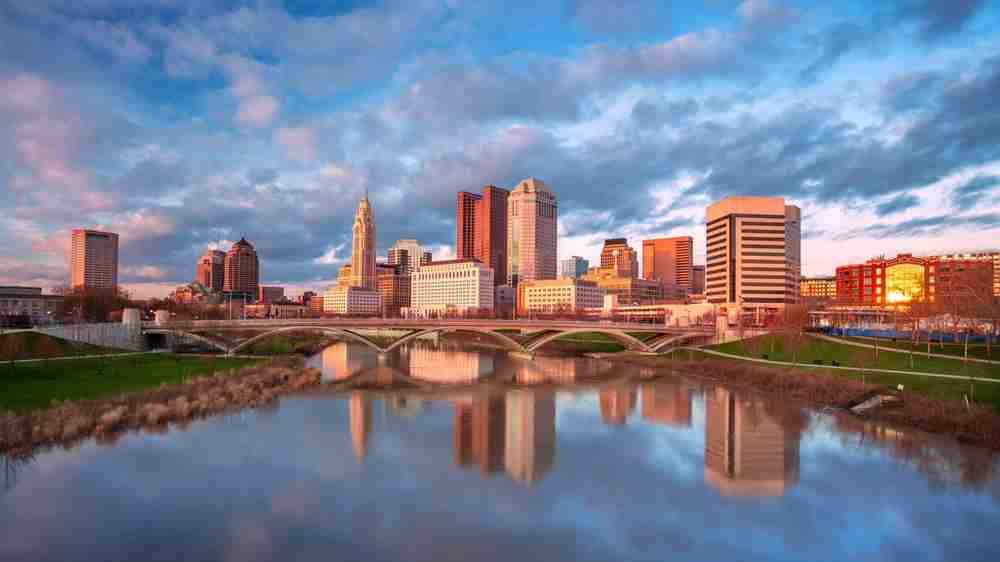
Ohio is the 20th most affordable state in the US. The cost of living index for Ohio is 94.2, which is about 6% lower than the national average. The index compares the relative cost of living in one location to another, taking into account housing, food, transportation, utilities, and other essential expenses. The national average is 100. Of Ohio’s major cities, the cost of living in Columbus comes with the highest cost of living index at 91.4, which is nearly 9% lower than the national average.
What is the average cost of living in Ohio? According to the Bureau of Economic Analysis, the average expenditure for someone living in Ohio is $52,542 per year. Per doxoINSIGHTS, the average monthly household bill in Ohio is $1,789 and includes utilities, cable & phone, mobile phone, and other essential expenses. Ohio ranks 39th out of 50 states in average monthly spending, and household expenses in the state are 12.6% lower than the national average.
Ohio has an effective property tax rate of 1.36% of the total property value, which ranks as the 11th highest in the country. The state has a graduated state income tax, with rates ranging from 2.75% to 3.50%. Ohio’s tax system ranks 35th in the country overall. A great advantage for seniors is that Ohio does not tax Social Security benefits. Ohio has a state sales tax of 5.75% and an average local tax rate of 1.488%. The combined average sales tax rate in Ohio is 7.238%, ranking it 21st in the country.
Is Ohio Cheaper than Florida?
The cost of living in Ohio is about 9.8% cheaper than in Florida. Housing is about 27% cheaper, groceries are about 5% cheaper, and healthcare is about 1% cheaper. Taxes are higher in Ohio, though. Florida doesn’t have a state income tax. Sales tax in Ohio is about 0.2% higher than in Florida. Whereas Ohio’s property tax is 1.36% of the home’s value, Florida’s is only 0.79%. Comparing major cities, living in Columbus Ohio has a cost of living 13% lower than Tampa.
Where Is the Cheapest Place to Live in Ohio?
Youngstown is one of the cheapest places for living in Ohio with a cost of living 17% below the state average. Housing costs in Youngstown are 35% lower than the state average.
Ohio Housing Market
The median price of a home in Ohio is $241,400, which is a 6.0% increase from the previous year. Hunting Valley has the highest average home prices. The typical home value in Hunting Valley is $1,512,935. Youngstown has the lowest median home price in Ohio. The median home price in Youngstown is $60,226.
What Is the Average Rent in Ohio?
If home ownership isn’t in your immediate future, there are still many options. The average rent for an 897-square-foot apartment in Ohio is $1,279. By comparison, rents in California average $2,587/mo., in Colorado $1,884/mo., and in Delaware $1,646/mo.
The most affordable rental prices in Ohio are in Huntington, where the average rent goes for $499 per month. Hinckley has the most expensive rental costs, at $2,331 a month.
What Is the Weather Like in Ohio?
Living in Ohio comes with a humid continental climate. Summers are hot and humid, with temperatures averaging from the mid-60s to the mid-80s Fahrenheit. Winters are cold and snowy. In January, the average high temperature in Ohio is around 34.9°F. During spring and fall, Ohio experiences a transition between the hot and cold seasons, with moderate temperatures.
Precipitation in Ohio is moderate throughout the year. The annual rainfall in Ohio is about 38 inches. The average snowfall is around 29 inches. Cleveland, situated along Lake Erie, averages 63 inches, while Columbus gets about 28 inches. Some northeastern cities in Ohio in the snow belt can get over 100 inches of snow per year. Ohio is susceptible to severe weather, such as thunderstorms, tornadoes, and snowstorms, including strong winter storms and cold winters.
Does Ohio Have All 4 Seasons?
Yes, those living in Ohio enjoy four distinct seasons. Spring is short, with high temperatures averaging from 51°F to 64°F, and can experience thunderstorms and sometimes tornadoes. Daytime temperatures range from 78 °F to 86 °F. Summers are typically hot and humid, with average high temperatures in the lower and mid-80s.
Thunderstorms are common in summer. In fall, temperatures drop from warm in September to cool in October, with daytime temperatures around 60-70°F. The first snow falls in November. Winters are cold, with average temperatures ranging from 32°F to 48°F. Winter blizzards are common off Lake Erie.
How Much Snow Does Ohio Get?
Ohio gets an average of 29 inches of snow per year. Those living in Ohio’s northern cities can see over 100 inches, while the southern part of the state gets as little as 15 inches.
Things to Do in Ohio
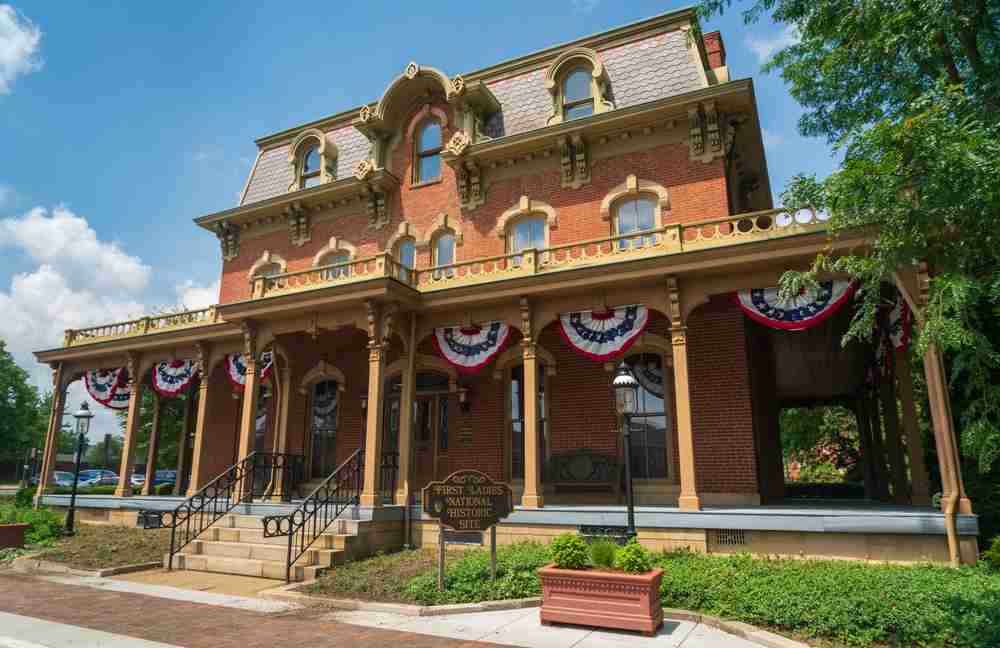
Living in Ohio offers some of the top museums, art galleries, theme parks, zoos, and nature parks in the US. Here are some of the top attractions in Ohio:
Rock & Roll Hall of Fame
Opened in 1995, the hall honors influential artists, producers, and other figures in the music industry who have significantly contributed to the development and evolution of rock and roll and related genres.
Cedar Point
The “Roller Coaster Capital of the World” is more than roller coasters and other thrill rides. With 68 amazing rides, live shows, immersive dining, and signature summer events, Cedar Point is great entertainment for everyone.
House from A Christmas Story
The house from the beloved holiday film allows visitors and fans to immerse themselves in the cinematic world of Ralphie Parker and his family. The iconic residence has been restored to capture the essence of the movie’s setting.
Hocking Hills State Park
Known for its beautiful towering cliffs, stunning waterfalls, and deep, hemlock-shaded gorges. Hocking State Park is a wonder to see. From ice formations in winter, wildflowers in springtime, and colorful fall foliage, the awe-inspiring park never ceases to amaze.
National Museum of the US Air Force
The Museum is the world’s largest military aviation museum and is world-renowned for air and space power technology and culture preservation. The museum is home to countless one-of-a-kind objects, including over 350 aerospace vehicles and missiles and thousands of artifacts.
Cincinnati Zoo & Botanical Garden
One of the best zoos in the country, with over 400 species of animals and 3,000 plant species. The zoo is world-renowned in the areas of endangered species reproduction, groundbreaking education collaboratives, and green practices.
The Cleveland Museum of Art
The Museum is renowned for the quality and size of its collection, including over 63,000 artworks that span 6,000 years. The museum is one of the top comprehensive art museums in the nation and many living in Ohio visit it.
Franklin Park Conservatory and Botanical Gardens
One of the premier botanical gardens in the US, spanning 13 acres. The grounds feature botanical biomes, lush gardens, special horticulture, and art exhibitions, and seasonal offerings.
Columbus Zoo and Aquarium
The popular Columbus Zoo and Aquarium is home to over 10,000 animals representing over 600 species and welcomes over 2 million visitors a year.
Cuyahoga Valley National Park
Ohio’s only national park spans 32,783 acres and is a refuge for native plants and wildlife, providing many opportunities to explore. The park includes forests, rolling hills, narrow ravines, wetlands, rivers, and waterfalls.
Ohio Sports Teams
Ohio has six major professional sports teams. The Cincinnati Reds and Cleveland Guardians of Major League Baseball have entertained Ohio fans for over 100 years. The Cleveland Cavaliers won the NBA title in 2016. Ohio has two NFL teams: the Cleveland Browns and the Cincinnati Bengals. The Columbus Blue Jackets are the first NHL team in the state, starting in 2000.
The Columbus Crew of Major League Soccer was one of the 10 charter teams of the MLS in 1994. The Ohio State University Buckeyes are a prominent fixture in NCAA Division I sports.
Is Ohio Safe?

Ohio ranks 29th out of 50 states for violent crime. The state violent crime rate is 293 per 100,000. The average violent crime rate in the US is 364 per 100,000 people. Ohio has a murder rate of 8.5 per 100,000, ranking it 33rd in the country.
By comparison, neighboring Indiana ranks 28th with 358 violent crimes per 100,000 people. Broadview Heights is ranked as one of the safest cities in Ohio, while Cleveland is considered one of the most dangerous. Living in Ohio can be safe as long as basic safety precautions are taken.
Ohio Economy
Ohio has the 7th ranked economy in the US, with a GDP of $873 billion. Over the past five years, Ohio’s GDP has had an economic growth of 0.9%. Major employers in Ohio include Procter & Gamble, Nationwide Children’s Hospital, Cleveland Clinic Foundation, and Sherwin-Williams. Top Ohio industries include manufacturing, professional and business services, software developers, and finance and insurance.
What Is the Largest Employer in Ohio?
The largest employer in Ohio is Cleveland Clinic, with 58,433 employees.
How Many Fortune 500 Companies Are Headquartered in Ohio?
Ohio has 27 Fortune 500 Headquarters, ranking it fifth in the U.S.
What Is the Average Income in Ohio?
The annual mean wage in Ohio is $69,890 across all occupations, according to the Bureau of Labor Statistics (BLS). The median income for all occupations across all metropolitan areas in the United States is around $65,470. In Cleveland, the annual mean wage is $59,263.
What Is the Average Teacher Salary in Ohio?
The mean annual wage for all secondary teachers is $58,088.
What Is the Median Household Income in Ohio?
The median household income for those living in Ohio is $69,680.
Education in Ohio
According to U.S. News & World Report, Ohio ranks in the middle to slightly above average in national education rankings. The state ranks 21st in K-12 education and 36th in overall education. Ohio ranks 40th in starting teacher salaries and 7th in college readiness. The top schools in Ohio include Walnut Hills High in Cincinnati, ranked #118 in the National Rankings, and Bexley High in Bexley, ranked #147.
In the 2025 U.S. News & World Report Best Colleges rankings, Ohio State University tied for 41st overall among all universities and ranked 15th among public universities.
How Many State Universities Are in Ohio?
Ohio has 14 state universities, including Bowling Green, the University of Cincinnati, and Ohio State.
How Many Colleges and Universities are in Ohio?
Ohio has 14 public universities, 23 community colleges, and 71 private colleges and universities.
How Many School Districts Are There in Ohio?
Ohio has 613 public school districts.
Facts About Ohio

- The first ambulance service was established in Cincinnati in 1865.
- America’s first traffic light was in Cleveland in 1914.
- The Cincinnati Reds were the first professional baseball team.
- Akron was the first city to use police cars.
- Cincinnati had the first professional city fire department.
- Akron is the rubber capital of the world.
- The popular television sitcom “The Drew Cary Show” is set in Cleveland.
- Seven United States presidents were born in Ohio: Ulysses S. Grant, Rutherford B. Hayes, James A. Garfield, Benjamin Harrison, William McKinley, William H. Taft, and Warren G. Harding.
- The first full-time automobile service station was opened in 1899 in Ohio.
- Ohio’s state flag is the only one in the US with a pennant design.
- John Lambert of Ohio City made America’s first automobile in 1891.
- W.F. Semple of Mount Vernon patented chewing gum in 1869.
What Are the Pros and Cons of Ohio?
Living in Ohio Pros:
- Affordable cost of living in Ohio
- World-class theme parks
- Outdoor recreation
- Education
- Sports
Living in Ohio Cons:
- Living in Ohio comes with a tornado risk
- Harsh winters
- Hot, humid summers
- Limited public transportation
Moving to Ohio? Let Krupp Moving Assist You!
Ready to change your address in Ohio? If you’re ready to establish residency by moving to Ohio, Krupp Moving can help! Whether you’re heading to one of the cities near Akron or cities near Columbus or beyond, we’re your trusted team.
There’s so much that makes Ohio special. From the vibrant nightlife and live music to the low unemployment rate and better cost of living, we know you’re ready to live comfortably in this incredible state. Our Ohio movers are here to help every step of the way. Give us a call today at (330) 359-1491 for a free quote!